
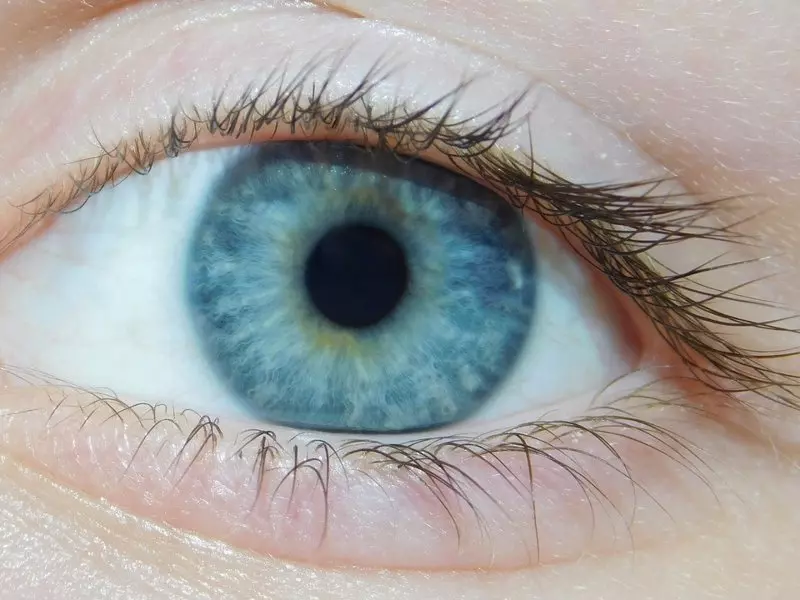
Blue Eye Color Names
Blue eyes are one of the most captivating and striking features found in nature. As a result of genetic structures, certain wavelengths of light are scattered in the eyes, making them appear blue. The main reason for blue eye color is the low level of pigmentation in the iris. This low pigmentation causes light to reflect from a layer called the stroma at the back of the eye, creating blue tones.
Globally, the proportion of individuals with blue eyes is relatively low. This eye color is more common in Scandinavian countries and Northern Europe and is typically passed from parents to children as part of genetic inheritance. Understanding blue eye colors helps shed light on this rare beauty and the scientific processes behind it.
The beauty of blue eyes has inspired artists, writers, and poets throughout history. Many works depict the deep meanings and emotional effects of this eye color. Eyes are often called the mirror of the soul, and blue eyes are among the most impressive reflections of that mirror.
Blue Eye Color Names
Blue eye colors come in a wide range of shades and names, each with its own unique charm and appeal. Here are some common blue eye color names:
Light Blue: This shade resembles a clear, cloudless sky and stands out with its brightness and purity.
Ocean Blue: Inspired by the depths of the sea, this tone symbolizes calmness and serenity.
Ice Blue: A cool and striking shade that reflects the freshness of winter and glaciers.
Gray-Blue: A blend of gray and blue tones, offering a natural and sophisticated appearance.
Navy Blue: A dark and intense shade of blue, known for symbolizing depth and mystery.
These eye colors are generally determined by genetic and environmental factors. Family background can influence which tones become more dominant. The variety of blue eye shades can become a strong part of personal style and self-expression.
Shades of Blue Eyes
The shades of blue eyes can vary depending on the angle and intensity of light. This characteristic makes blue eyes unique and dynamic. Lighting conditions can make the eyes appear brighter or darker. Under sunlight, blue eyes often look more vivid and striking, while in dim lighting they may appear softer and calmer.
The diversity of blue eye tones highlights how versatile and expressive this color can be. Each shade can evoke different emotional responses and reflect personal traits. For example, ice blue may convey coolness and freshness, while ocean blue represents peace and tranquility.
Eye color shades can also influence personal style and fashion choices. People with blue eyes often choose clothing colors that enhance and complement their eye color.
Characteristics of People with Blue Eyes
Individuals with blue eyes often attract attention and curiosity. This eye color is associated with a natural charm. Blue eyes are commonly linked to openness, honesty, and emotional depth. People may perceive blue-eyed individuals as more expressive about their thoughts and feelings.
Some studies suggest that people with blue eyes tend to be calmer and more composed. They may demonstrate a more balanced and controlled attitude in stressful situations.
Blue-eyed individuals may also have a strong sense of aesthetics. They are often more inclined to notice and appreciate beauty around them. These traits can contribute to success in creative fields such as art and design. The allure of blue eyes can create a strong impact in both personal and professional life.
Interesting Facts About Blue Eyes
Blue eyes also carry fascinating genetic and evolutionary insights. Scientists believe that blue eyes first appeared approximately 6,000 to 10,000 years ago. It is thought that the earliest individuals with blue eyes lived in Europe as a result of genetic mutations affecting iris pigmentation.
The global distribution of blue eyes varies by region. Northern European countries have the highest prevalence of blue eyes. This may be linked to adaptation to colder climates.
Eye color can also be associated with certain personal traits and health tendencies. Some studies suggest that individuals with blue eyes may be more prone to specific conditions. However, these findings are generally based on statistical data and may not apply to every individual. The mystery and appeal of blue eyes continue to be explored through scientific research and social observations.
 Call
Call
 Whatsapp